Why I Stopped Using Plastic in My Kitchen
I watched a documentary about microplastics a few years ago and I'll be honest, it genuinely disturbed me. The idea that tiny plastic particles are now found in human blood, in breast milk, in the organs of fish, it's one of those things where once you've seen it you can't quite look at your kitchen the same way.
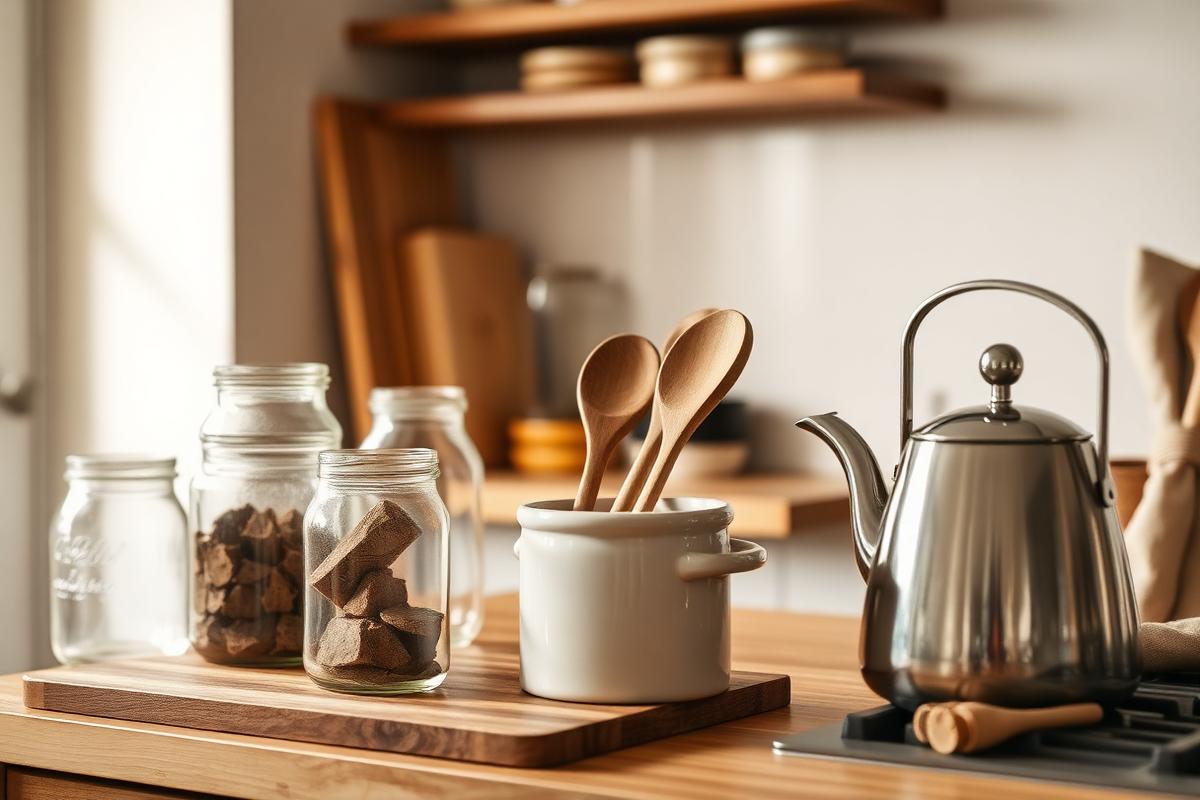
I went through mine the following weekend. Everything plastic that came into contact with food, especially with hot food, went. Plastic chopping boards, gone. Plastic spatulas and spoons, replaced with wood. Plastic food containers, swapped for glass. Cling film, replaced with beeswax wraps and proper lids.
The one that surprised people when I told them was the kettle. Most kettle filters and interiors are plastic. When you boil water in a plastic-interior kettle repeatedly, you're putting microscopic plastic particles into every cup of tea you make. I switched to a stainless steel kettle and it made me feel much better about my morning matcha.
None of these swaps were expensive. Most of them were actually cheaper over time because glass and wood last for years. It's one of those areas where living more naturally and living more sustainably are completely aligned — good for you and good for the planet at the same time. Those are usually the changes worth making.